














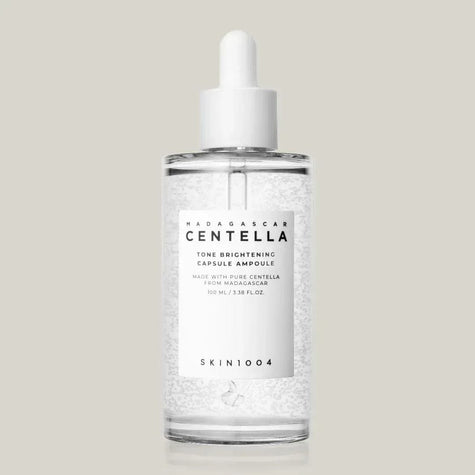
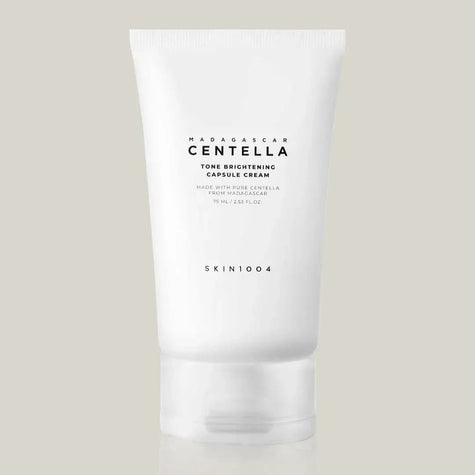
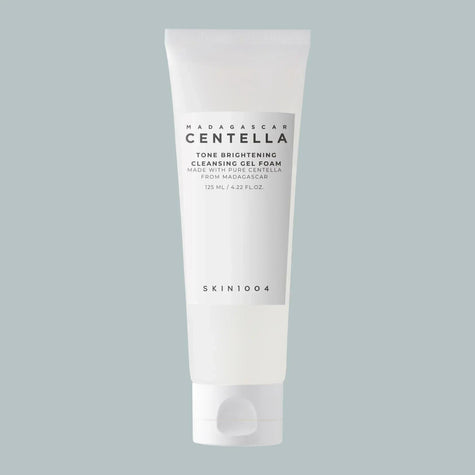
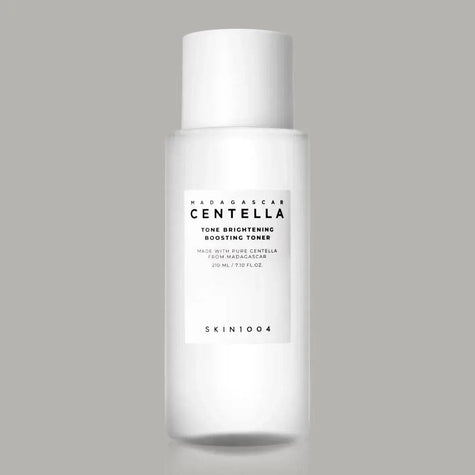









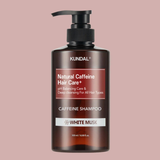
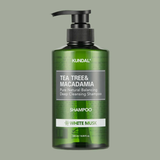
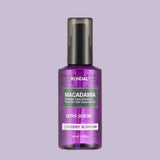



Oily skin in a tropical climate behaves differently from oily skin anywhere else. Heat increases sebum production directly, humidity means sweat sits on the surface mixing with oil, and the products that work in a Korean winter often feel unbearable in Colombo in April.
Here is what actually works.
The thing almost everyone gets wrong
Oily skin is usually dehydrated skin.
Oil and water are separate. When your skin lacks water, it compensates by producing more oil. Strip that oil with harsh cleansers and astringent toners, and your skin produces even more. This is the cycle most oily-skinned people are stuck in, and it is made worse by exactly the products marketed at them.
The test: does your skin feel tight after washing but look shiny by midday? That is dehydrated skin overproducing oil, not genuinely oily skin.
The fix is counterintuitive. Hydrate more, strip less. Most people see oil production drop within three to four weeks of doing this.
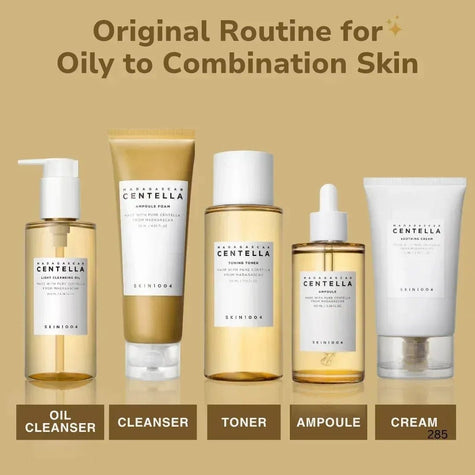
Cleansing
Twice a day. Not more. Over-washing is a primary cause of rebound oil.
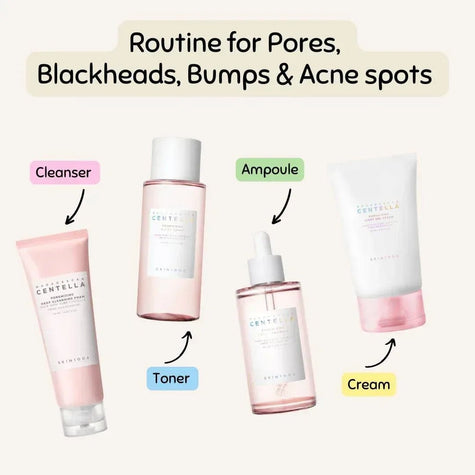
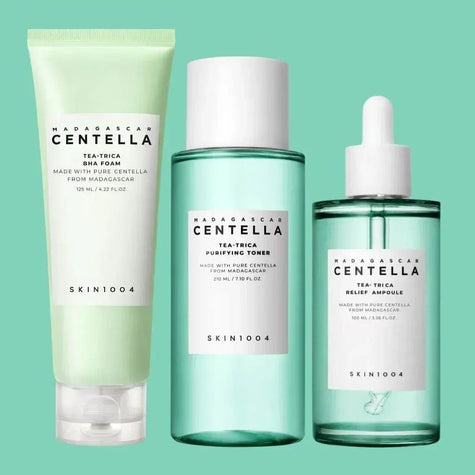
Use a low-pH gel or foam cleanser. If your skin feels squeaky afterwards, the pH is too high and it is damaging your barrier. BHA, tea tree, or Centella cleansers work well for congested skin.
At night, cleansing oil first if you wear sunscreen or makeup. Oil dissolves oil. It sounds wrong for oily skin, and it is not; a cleansing oil removes sebum and sunscreen far more thoroughly than foam alone, and many people find their congestion improves once they start.
The two ingredients that matter most
Niacinamide
Regulates sebum production over time rather than stripping it. Also reduces the appearance of pores, fades post-acne marks, and strengthens the barrier. Two to five percent, morning and night. If you use one thing, use this.
Salicylic acid (BHA)
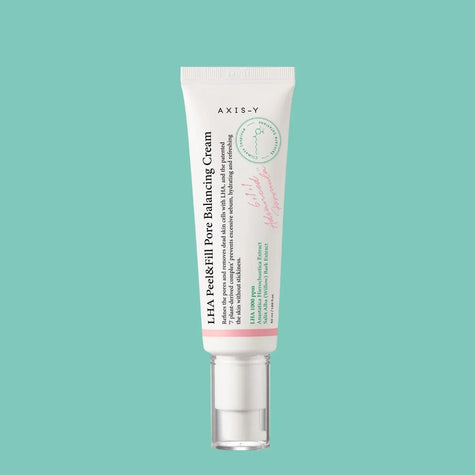
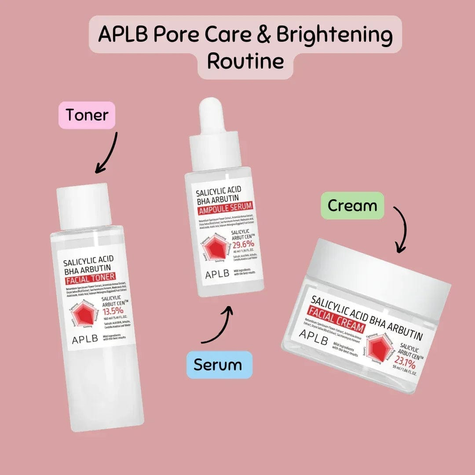
Oil-soluble, so it works inside the pore rather than on the surface. This is what clears blackheads, whiteheads, and congestion. Start two to three times a week, and build up from there.
Together these two are the core of any oily-skin routine. Everything else is optional.
Moisturizer: yes, and here is which
Skipping moisturizer is the most common mistake oily skin makes.
A gel cream or water cream. These are water-based, absorb in seconds, and leave no film. They layer under sunscreen without pilling. In this climate they are the right choice for almost everyone with oily or combination skin.
Avoid heavy creams, balms, and facial oils during the day. Save them for night if your skin genuinely needs them, which most oily skin does not.

Sunscreen without the grease
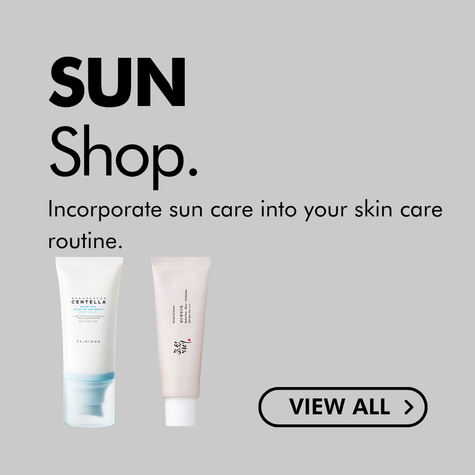
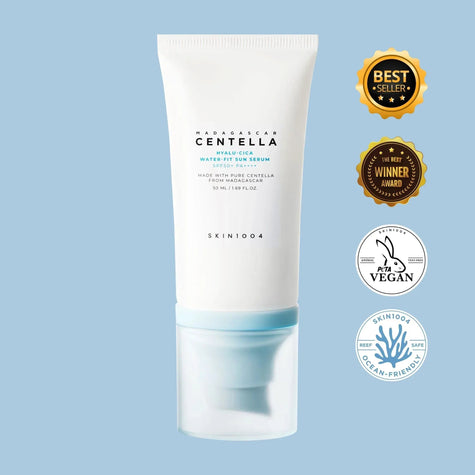
A sun serum or gel sunscreen. Look for a matte or natural finish rather than dewy. Chemical filters are lighter than mineral in humidity.
Do not skip this because of the texture. Sun exposure worsens both acne marks and oil production, and the right formula is genuinely invisible once absorbed.
Weekly: clay
A clay or mugwort mask once or twice a week absorbs excess sebum and clears congestion. Do not leave it until it fully cracks and dries; that over-dries the skin and triggers rebound oil. Ten to fifteen minutes, rinse while still slightly tacky.
A complete routine
Morning: gentle cleanser → hydrating or BHA toner → niacinamide serum → gel cream → sun serum
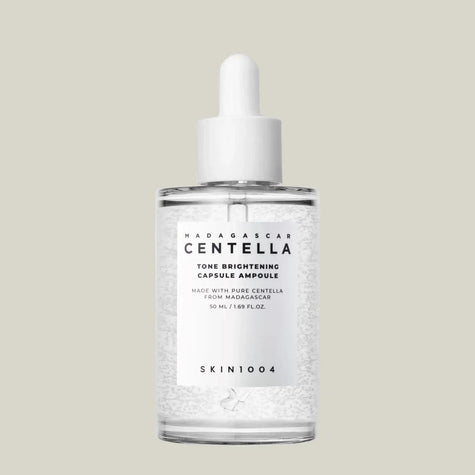
Night: cleansing oil → gentle cleanser → BHA toner (3x a week) → niacinamide or centella serum → gel cream
Weekly: clay mask once or twice

Managing shine through the day
Blotting paper, not powder. Powder on top of powder cakes and clogs. Blotting paper lifts the oil and leaves your base intact.
Resist washing your face midday. It feels satisfying, and it triggers more oil within the hour.
What to avoid
- Alcohol-heavy astringent toners. Instant matte, more oil by afternoon.
- Physical scrubs. Micro-tears and inflammation. Chemical exfoliants are gentler and more effective.
- Facial oils in daytime. Rarely needed in this humidity.
- Daily exfoliation. Two to three times a week is the ceiling for most people.
- Washing more than twice a day. The fastest way to make oil worse.
Bumps that are not acne
Small uniform bumps across the forehead or cheeks, itchy, worse in heat and after sweating, and unresponsive to acne products, may be fungal acne (malassezia folliculitis) rather than bacterial acne. It is common in humid climates; it needs a different approach, and heavy oils feed it. Worth asking a dermatologist rather than escalating your acne routine.
Browse products for oily skin, visible pores, and gel creams.


