


































Hair fall is one of the most common concerns we hear about in Sri Lanka and one of the most misunderstood. Before spending money on products, it helps to understand what is actually happening.
First: is it hair fall or hair breakage?
These need completely different solutions.
Hair fall means strands coming out from the root. Look at the end of a fallen strand. If there is a small white or pale bulb, it came out at the root.
Breakage means the strand snapped somewhere along its length. No bulb, and the lengths are uneven and shorter than your full hair length.
Breakage is a damage problem and needs treatments, conditioners, and heat protection. Hair fall is a scalp and follicle problem and needs scalp care. Buying a repair treatment for a hair fall problem is a common and expensive mistake.
How much shedding is normal?
Losing 50 to 100 strands a day is normal and expected. Hair grows in cycles, and a proportion of your follicles are always in a resting or shedding phase.
What is not normal: clumps coming out when you run your hands through dry hair, a visibly widening parting, a receding hairline, or a noticeably thinner ponytail. Those are worth attention.
Causes worth ruling out before buying products
Shampoo will not fix a problem that is not on your scalp. Common non-scalp causes include iron deficiency, thyroid conditions, postpartum hormonal changes, PCOS, rapid weight loss, high fever or illness in the previous three months, and certain medications.
Telogen effluvium, the shedding that follows a stressful event or illness, usually starts around three months after the trigger and resolves on its own. If your shedding began suddenly and you can trace it to something that happened a season ago, patience may be the right answer rather than products.
If your shedding is sudden, severe, patchy, or accompanied by other symptoms, see a doctor and ask for a blood panel before anything else. Iron deficiency in particular is very common and very treatable.
What scalp care can realistically do
For gradual thinning linked to scalp condition, build-up, excess oil, or poor circulation, a scalp-focused routine genuinely helps. It will not regrow hair from a dead follicle, but it can reduce shedding and improve the environment for the hair you have.

Caffeine
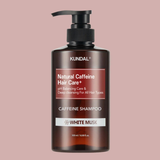
Caffeine applied topically has research behind it for stimulating follicles and prolonging the growth phase. It is the main active ingredient in most Korean anti-hair-fall shampoos, and KUNDAL's caffeine shampoo is the single best-selling product in our store. It is not a drug, and it will not work like one, but used consistently, it is a reasonable first step.
Scalp cleansing
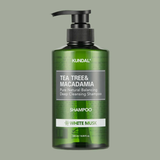
Oil, sweat, product residue, and pollution build up at the roots. In Sri Lanka's humidity, this happens faster than in temperate climates. A tea tree or clarifying shampoo two or three times a week clears it. Counterintuitively, oily scalps do worse when you wash less often, not better.
Massage and circulation
A silicone scalp brush used for one to two minutes while shampooing improves circulation, lifts build-up, and makes shampoo work more efficiently. It is the cheapest meaningful upgrade to a hair routine and the one most people skip.
A realistic routine
- Wash three to four times a week. More often if your scalp is oily, which is most people in this climate.
- Use a caffeine or scalp shampoo as your main wash, alternating with a clarifying or tea tree shampoo twice a week.
- Massage with a scalp brush for one to two minutes before rinsing.
- Apply conditioner and treatments to lengths and ends only, never the scalp.
- Avoid tight ponytails, buns, and braids worn daily. Traction from tight styles causes real, sometimes permanent, hairline loss.
How long before you see anything?
Hair grows about one centimeter a month. Any product affecting the growth cycle needs a minimum of three months before you can judge it, and realistically four to six.
This is the hardest part. Most people abandon a shampoo after three weeks, conclude it did nothing, and start again with something else. Consistency over three months beats switching products every month.
A useful trick: take a photo of your parting and hairline in the same light on the first of each month. Day-to-day you will never notice change. Across three months you will.

When to see a doctor rather than buy shampoo
- Sudden or rapid loss
- Patchy bald spots
- Scalp pain, itching, scaling, or redness
- A visibly receding hairline
- Hair loss alongside fatigue, weight change, or irregular periods
A dermatologist can prescribe treatments with far stronger evidence than any shampoo, and a blood test can identify causes no product will fix.
Browse Korean hair care and scalp tools. Everything is NMRA approved and imported directly from Korea.


