


















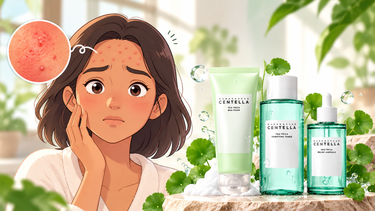
If you have tiny, itchy, uniform bumps across your forehead, chest, or back that never quite respond to normal acne products, you may not have regular acne at all; you may have fungal acne. In Sri Lanka's heat and humidity it's extremely common, and treating it the wrong way makes it worse. Here's how to tell and what actually clears it.
What is fungal acne?
Fungal acne (properly called malassezia folliculitis) is caused by a yeast that lives on everyone's skin. In warm, sweaty, humid conditions, that yeast overgrows and inflames the hair follicles, creating breakouts. It isn't the same as bacterial acne, which is why standard acne treatments often fail on it.
How to tell fungal acne apart from regular acne
- Uniform bumps: they're small and all roughly the same size, unlike varied pimples and blackheads.
- Itchy: bacterial acne rarely itches; fungal acne often does.
- Location: forehead, temples, chest, back, and shoulders, the sweatiest areas.
- Flares with heat and sweat: worse after workouts, long commutes, or a humid day.
What makes it worse in Sri Lanka?
Sweat trapped under sunscreen, tight clothing on a hot bus, oily hair touching the forehead, and rich moisturizers all feed the yeast. Many popular skincare oils and fatty ingredients (esters and some plant oils) can also worsen it.

What actually helps
- Shower and change quickly after sweating. Don't sit in damp clothes.
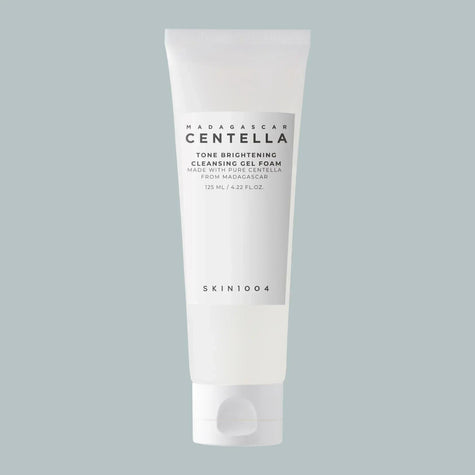
- Use a gentle, non-greasy cleanser and avoid heavy occlusive creams while flaring.
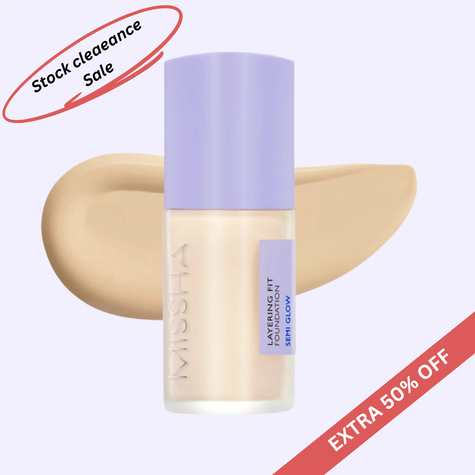
- Look for lightweight, gel-based hydration rather than oil-rich products.
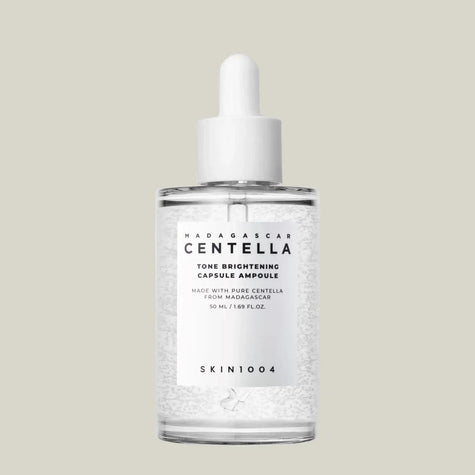
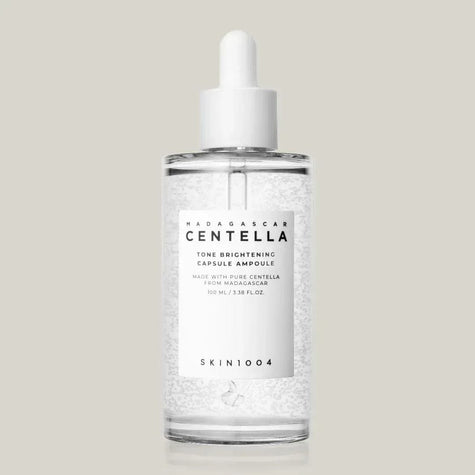
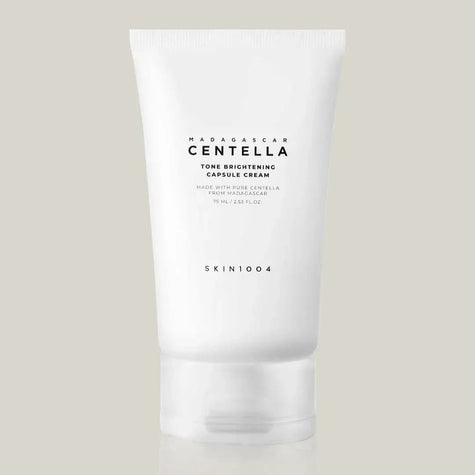
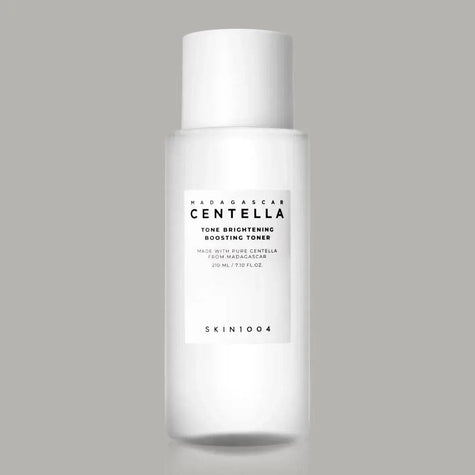
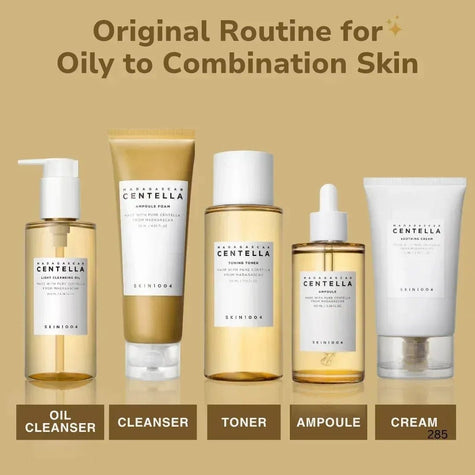
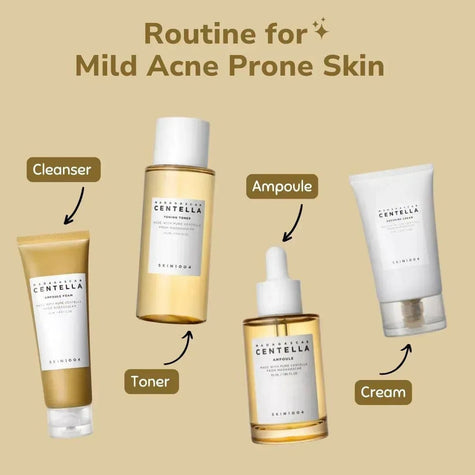
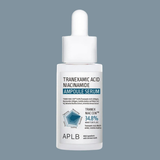
- Niacinamide and centella help calm the inflammation and support the barrier.
- Keep hair off the face and wash it regularly, since scalp oils spread onto the forehead.
Stubborn or widespread cases may need an antifungal treatment from a doctor or pharmacist. If it isn't improving in a few weeks, get it checked rather than piling on more products.

Build a fungal-acne-friendly routine
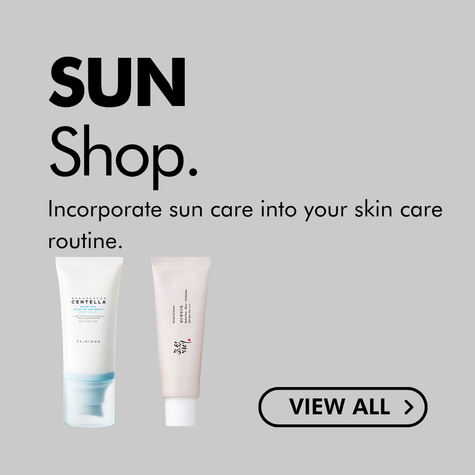
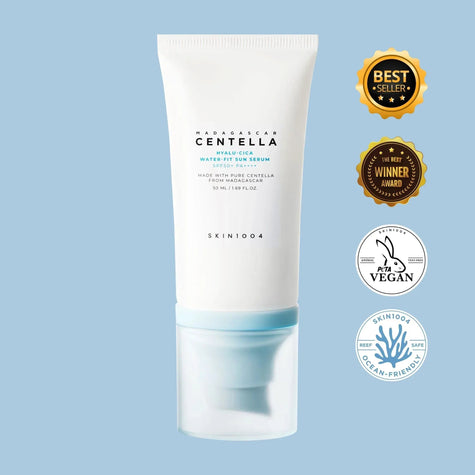
Keep it simple: a gentle cleanser, a light hydrating layer, a soothing ingredient like centella, and a non-greasy SPF in the morning. Introduce one product at a time so you can see what your skin tolerates. Browse acne & blemish care →
Frequently asked questions
Can fungal acne go away on its own?
Mild cases can settle once you reduce sweat and heavy products, but recurring or itchy breakouts usually need an anti-fungal approach.
Is sunscreen bad for fungal acne?
No, you still need SPF. Choose a lightweight, non-greasy formula and reapply after heavy sweating.
How long does it take to clear?
With the right routine, a few weeks. If there's no change, see a doctor or pharmacist for a targeted antifungal.


