


























Dark circles are one of the most searched skin concerns in Sri Lanka and one of the most over-promised. Creams are sold as though they erase them in two weeks. Most do not, and the reason is simple: there are four different causes of dark circles, and each one responds to something different. Work out which type you have first, and you stop wasting money.
The four types and how to tell them apart
1. Pigmented (brown)
A genuine brown discoloration of the skin under the eye. Very common in South Asian skin, often hereditary, and worsened by sun exposure and rubbing. Pull the skin gently sideways: if the brown stays put, it is pigment.
2. Vascular (blue, purple, or red)
Not pigment at all. The skin under your eyes is the thinnest on your body, and the blood vessels beneath show through. Worse when you are tired, dehydrated, or unwell. Press gently: if the color fades and returns, it is vascular.
3. Structural (shadow)
A hollow or groove under the eye casting a shadow. Look in a mirror with a light held above you, then below you. If the darkness changes dramatically with the light angle, it is a shadow, not a stain. No cream fixes an anatomical shadow.
4. Mixed
Most people have two or three of the above at once. This is why single-ingredient solutions disappoint.

What actually works for each type
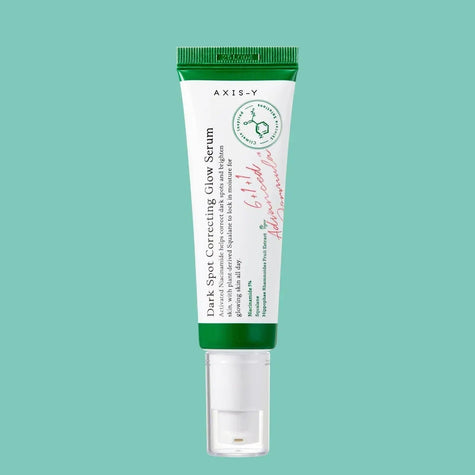
Pigmented: the same ingredients that fade dark spots anywhere else. Niacinamide, alpha arbutin, vitamin C, and above all, daily sunscreen. This type responds genuinely well, but slowly, over 3 to 6 months.
Vascular: sleep, hydration, and reducing salt late at night. Caffeine-containing eye products constrict vessels temporarily and do help with the look. Cold compresses in the morning reduce puffiness that deepens the shadow. Retinal over time thickens the skin slightly, which helps the vessels show through less.
Structural: Skincare will not change bone structure or fat pads. Hydration and peptides plump the area a little, and good concealer does more than any serum. For significant hollowing, filler from a qualified practitioner is the only real answer.
The habits that matter more than products
- Stop rubbing your eyes. Friction is a leading cause of pigmented circles. If you have allergies or hay fever, treating the allergy does more for your under-eyes than any cream.
- Wear sunscreen up to the lash line. Most people stop at the cheekbone. The under-eye area gets sun too, and it pigments easily.
- Sunglasses outdoors. Both for UV and to stop you squinting and rubbing.
- Sleep and water. Boring, and genuinely the biggest lever for vascular circles.
- Check your iron. Anemia is common in Sri Lanka and shows up as under-eye darkness. A blood test costs less than a year of eye cream.
How to apply eye products without making it worse
Use your ring finger, the weakest one, and pat rather than drag. The skin here is roughly a third the thickness of the skin on your cheek, and tugging it daily causes the laxity that deepens shadows over time.
Apply along the orbital bone, not right up against the lash line, and let it migrate. Products applied too close can cause milia or irritation.
A realistic timeline
- Vascular: visible improvement in days once you fix sleep and hydration, but it returns whenever you are tired.
- Pigmented: 3 to 6 months of consistent brightening and sunscreen.
- Structural: no timeline, because skincare does not treat it.

What to be skeptical of
Any product promising to remove dark circles in a week. Any cream claiming to fix hollowing. And anything marketed as a whitening cream for the under-eye area, which is both ineffective and, in unregulated products, potentially dangerous near the eye.
When to see a doctor
Sudden darkening, swelling on one side only, darkness alongside persistent fatigue or breathlessness, or circles in a child. These warrant a medical opinion rather than a cosmetic one.
Frequently asked questions
Do eye creams actually work?
For pigmented circles, yes, slowly. For vascular circles, temporarily. For structural shadows, no.
Are dark circles genetic?
Often, particularly the pigmented and structural types in South Asian skin. Genetics set the baseline; habits and sun decide how bad it gets.
Does lack of sleep really cause them?
It worsens the vascular type noticeably. It does not cause pigment, though it makes existing pigment look worse.


