






















Sensitive skin is not a skin type in the way oily or dry is. It is a state, and in most cases it is a damaged moisture barrier rather than something you were born with. That distinction matters, because a damaged barrier can be repaired.
How to tell your barrier is damaged
Any two or three of these together:
- Products that used to be fine now sting or burn
- Skin looks red or flushed, particularly around the nose and cheeks
- It feels tight but also looks shiny in an unhealthy way
- Dry or flaky patches alongside breakouts
- Reacts to almost everything, including water
- Feels rough despite exfoliating
That last one is telling. If your skin feels rough and your instinct is to exfoliate more, that instinct is usually what caused the problem.
What causes it?
Your barrier is a layer of lipids, mainly ceramides, cholesterol, and fatty acids, holding skin cells together and water in. Common ways it gets stripped:
- Over-exfoliating, the most common cause by far
- High-pH or foaming cleansers that leave skin squeaky
- Too many actives at once
- Introducing retinol too fast
- Fragrance and essential oils in reactive skin
- Hot water and long showers
- Sun damage
Note how many of these are things done in pursuit of better skin.
The repair routine
This is deliberately minimal. The point is removing things, not adding them.
Stop entirely: all acids, retinol, vitamin C, scrubs, clay masks, and anything with fragrance or essential oils.
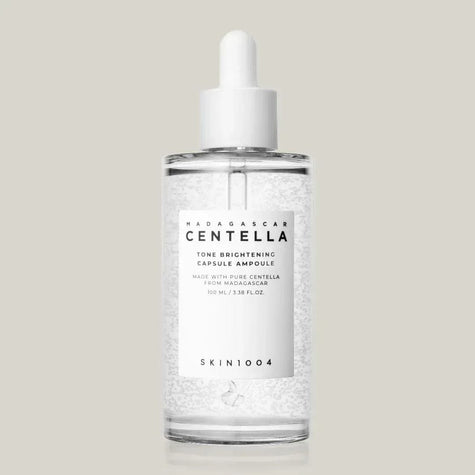
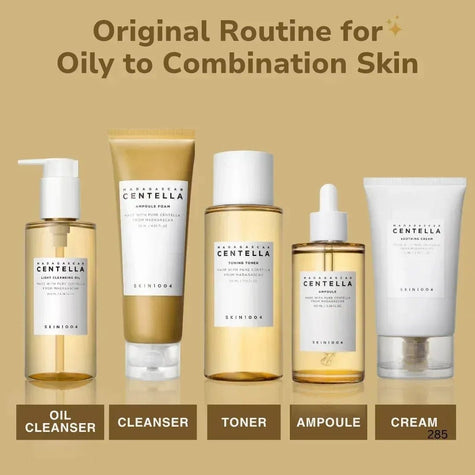
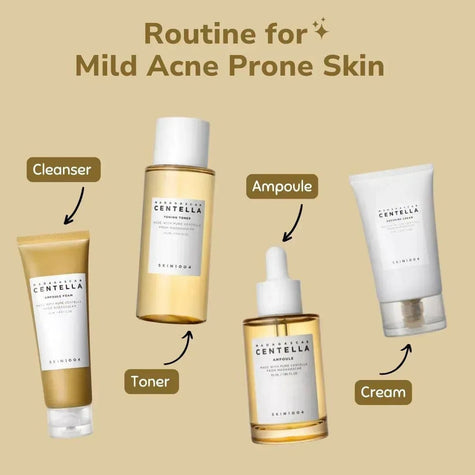
Morning: rinse with lukewarm water or a very gentle cleanser → centella or ceramide serum → barrier cream → sunscreen
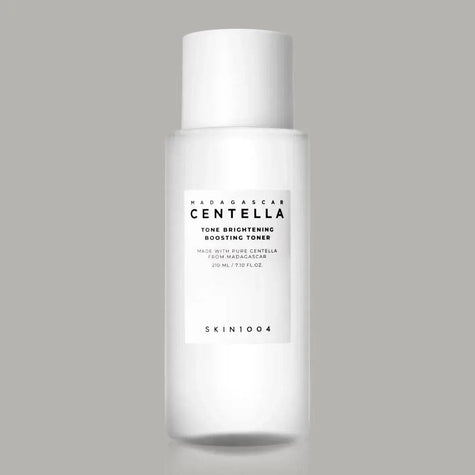
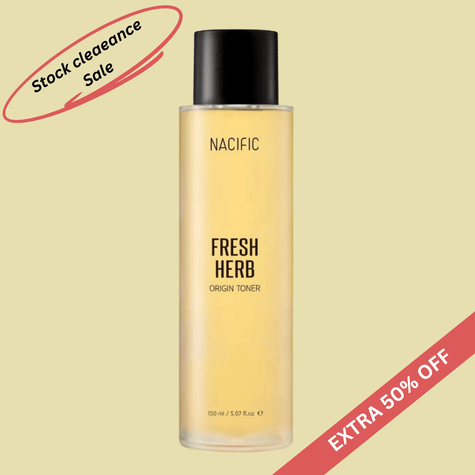
Night: gentle low-pH cleanser → calming toner → Centella or ceramide serum → barrier cream
That is it. For two weeks minimum, often four.

The ingredients that rebuild
Ceramides
Literally what the barrier is made of. The most direct repair ingredient. Look for them high in the ingredient list in a cream rather than a serum.
Centella asiatica (cica)
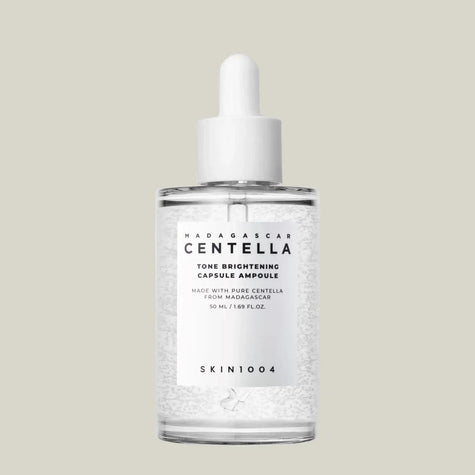
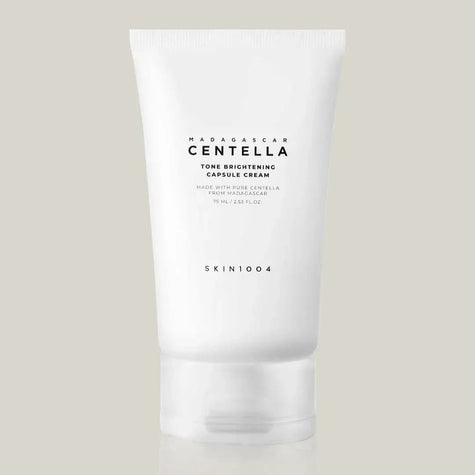
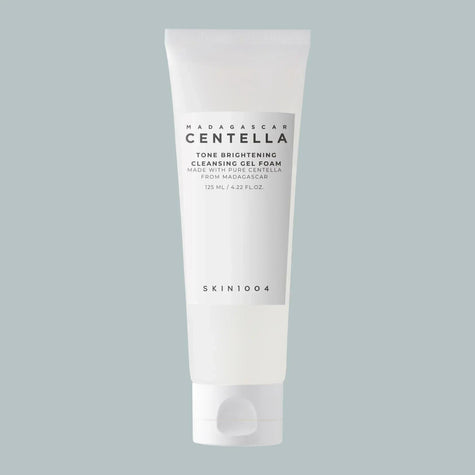
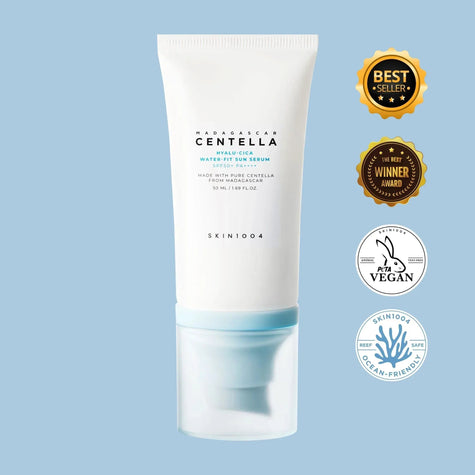
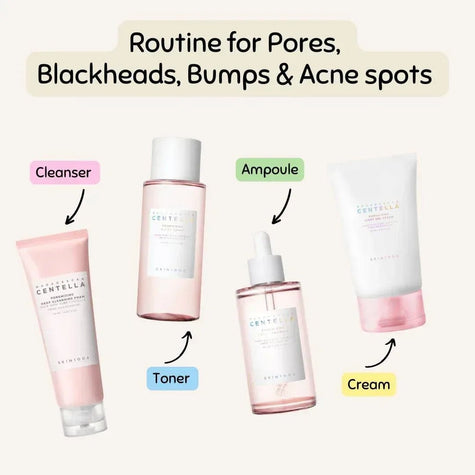
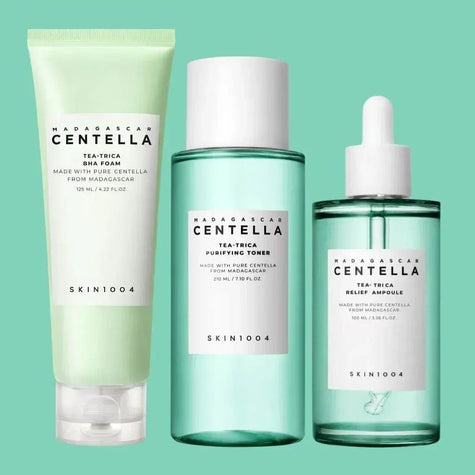
Reduces inflammation and supports healing. Madecassoside is the most active component. This is the ingredient Korean skincare is best known for and the reason brands like SKIN1004 and Purito are recommended constantly for sensitive skin.
Panthenol (vitamin B5)
Hydrates and speeds healing. Gentle enough for broken or irritated skin.
Squalane
A lightweight emollient that seals moisture without clogging pores. Suits oily skin that is also damaged.
What to avoid while repairing
Fragrance and essential oils. Even "natural" ones. Tea tree, lavender, and citrus oils are common irritants for compromised skin. Look for unscented ranges; Purito's unscented line and Haruharu Wonder's unscented products exist for exactly this.
Denatured alcohol high in the ingredient list. Fine in small amounts, drying in large ones.
Hot water. Lukewarm only.
Anything new. Now is not the time to try products.
How long it takes
Most barriers recover in two to four weeks of genuinely doing nothing else. Some improvement is usually visible within a week.
The hardest part is patience. Skin that looks bad creates an urge to treat it, and treating it is what prolongs the problem.

Reintroducing actives afterwards
Slowly, and one at a time.
- Wait until your skin has been calm for a full week.
- Add one active, twice a week, at night.
- Hold for two weeks. If there is no reaction, increase frequency or add a second.
- If anything stings, stop and go back to the repair routine.
Start with the gentlest option. Niacinamide at low strength or PHA rather than glycolic acid. Bakuchiol rather than retinol.
If it is not a damaged barrier
Some people genuinely have sensitive skin, and some apparent sensitivity is a condition rather than damage. Persistent facial redness with visible capillaries may be rosacea. Itchy, scaly patches may be seborrheic dermatitis or eczema. These need medical treatment, not a different moisturizer.
If your skin has not improved after a month of simplified care, or if there is pain, swelling, oozing, or spreading, see a dermatologist.
Browse products for damaged barrier, sensitive skin, and ceramides.


