















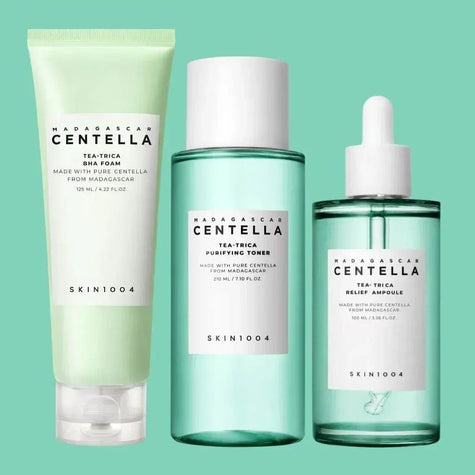






Acne is the concern we are asked about most after dark spots, and Korean skincare approaches it very differently from what most people in Sri Lanka grew up with. The old approach was to dry it out. The Korean approach is to clear it while keeping the barrier intact, because a stripped barrier causes more acne, not less.
Why harsh products make acne worse
Aggressive cleansers, alcohol toners, and drying spot treatments strip the skin. Stripped skin overproduces oil to compensate, and inflamed skin heals more slowly and scars more readily.
If your acne routine leaves your face tight, red, and peeling, it is working against you. The goal is clear and comfortable, not clear and raw.

The four ingredients that do the work
Salicylic acid (BHA)
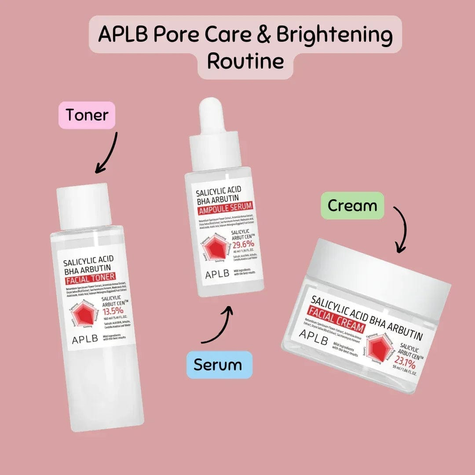
Oil-soluble, so it clears the plug inside the pore. This is the core treatment for blackheads, whiteheads, and congestion. Two to three times a week to start.
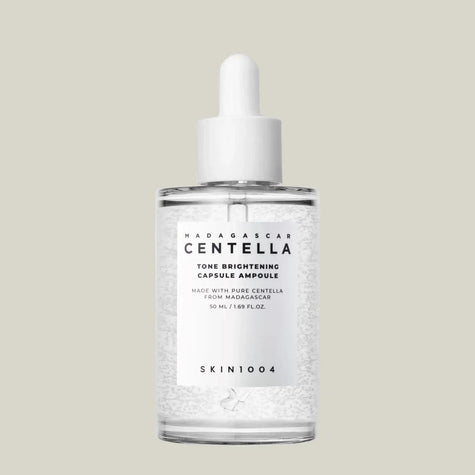
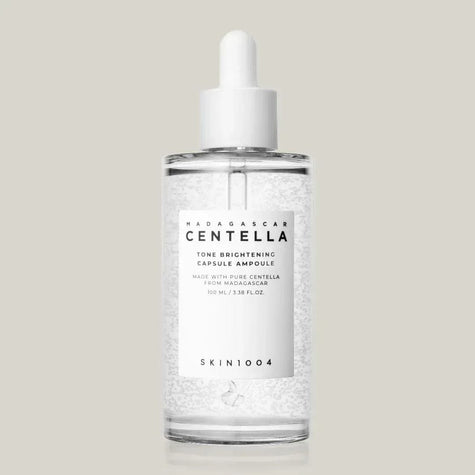
Centella asiatica
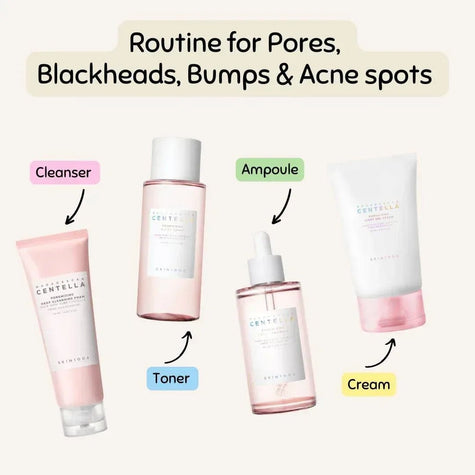
Reduces inflammation, calms redness around active spots, and speeds healing so marks are less likely to linger. The most reliably useful ingredient in Korean acne care.
Niacinamide
Controls oil production over time, reduces the look of pores, and fades the marks acne leaves behind. Suits every skin type and rarely irritates.
Tea tree
Antibacterial and anti-inflammatory. Useful in cleansers and toners. Works alongside BHA rather than instead of it; BHA clears the pore, and tea tree calms the spot.
A routine for mild to moderate acne
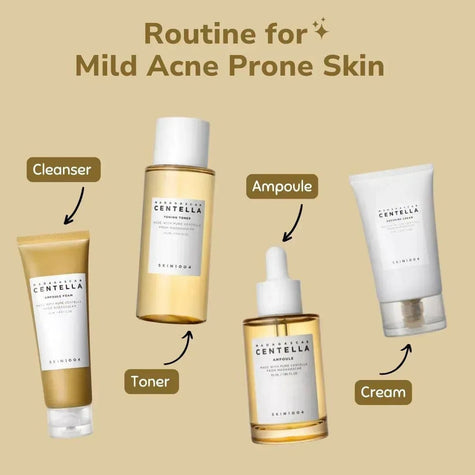
Morning: gentle low-pH cleanser → niacinamide serum → gel moisturizer → SPF50+ sunscreen
Night: cleansing oil (if you wore sunscreen or makeup) → gentle cleanser → BHA toner three times a week → centella serum → gel moisturizer
As needed: hydrocolloid patch on individual spots
Give this eight weeks before judging it. Acne routines take time, and switching every fortnight guarantees you never find out what works.
Spot patches: what they can and cannot do
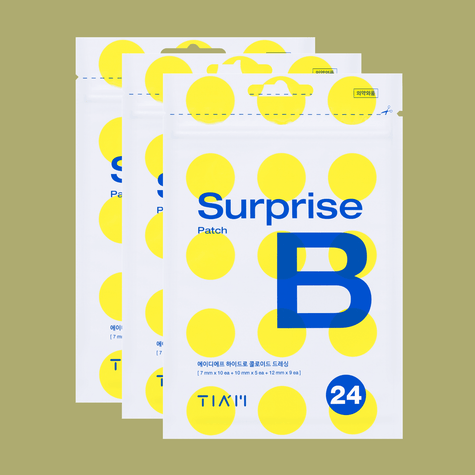
Hydrocolloid patches draw fluid out of a spot that has come to a head, protect it from bacteria, and most usefully stop you touching it. Apply to clean, dry skin leave six to twelve hours.
They do not work on deep closed cystic spots, because there is nothing at the surface to draw out. For those, a calming gel and patience do more, and frequent cysts warrant a dermatologist.
Picking is the real problem.
Squeezing a spot pushes inflammation deeper, extends healing from days to weeks, and turns a mark that would have faded into one that lasts months or scars permanently.
Almost all the post-acne marks people ask us to help fade were made worse by picking. The patches above are as useful for covering a spot so you stop touching it as they are for treating it.
Marks left behind
Brown or grey marks are post-inflammatory hyperpigmentation. Niacinamide, alpha arbutin, and daily sunscreen fade them over 8 to 12 weeks.
Red or pink marks are post-inflammatory erythema, damaged capillaries rather than pigment. Brightening serums do very little. Centella, barrier care, and time work better.
Indented or raised scars are textural damage. No topical product fixes these. They need professional treatment.

Bumps that are not acne
Small, uniform itchy bumps across the forehead or cheeks, worse in heat and after sweating, that do not respond to acne products may be fungal acne rather than bacterial. It is common in humid climates and needs a different approach entirely. Many oils and some moisturizers feed it. Worth asking a dermatologist rather than escalating your acne routine.
Habits that matter more than products
- Change pillowcases weekly
- Clean your phone screen
- Shower soon after sweating rather than hours later
- Wash makeup brushes
- Do not touch your face through the day
None of these will clear acne alone. All of them reduce the load your routine has to handle.
When to see a dermatologist
Do not spend a year on products if any of these apply:
- Deep, painful cystic spots
- Acne that is scarring
- No improvement after three months of a consistent routine
- Acne across the jaw and chin alongside irregular periods, which may be hormonal
- Acne that is affecting your confidence day to day
Prescription treatments have far stronger evidence than anything sold over the counter, and getting there sooner means fewer scars.
Browse products for acne and blemishes, acne serums, and spot patches.


